


Cyclocross is a discipline that puts tires and wheels to the test. Dirt, rain, and mud won't spare your bike, which is why it's essential for cyclocross riders to perform timely and proper maintenance. If you're new to muddy trails, you might find the following lines quite helpful.
As we enter the heart of the winter season, we're also approaching the most important events in the international cyclocross scene. Without road races, cyclocross becomes a great opportunity for many professional cyclists to stay in training and maintain their pace for spring. But cyclocross is much more: athletes like Van der Poel and Van Aert are demonstrating that achieving results in this discipline as well as on the road can redefine the image of a modern rider, positioning them in a more transversal dimension within the international cycling scene. Thanks to this new visibility cyclocross has gained, more and more cyclists (even amateurs) are approaching muddy circuits, preparing to jump obstacles and ride along stretches with their bikes slung over their shoulders.
Obviously, all of this requires specialized bicycles equipped with dedicated components, which can suffer from rather extreme use. Gears, wheels, and tires must contend with rain, mud, and debris that accumulate on them, which over time can negatively impact their performance.
The remedy? Proper maintenance
Regular maintenance can extend the peak performance of your components. This applies both on the road and off-road, as in this case. But do the best cyclocross wheels require any special maintenance? Let's look at some good habits you should adopt.
Cleaning cyclocross wheels
Cleaning is important to ensure the proper functioning of all wheel components, but also to allow you to check that there are no visible cracks on the surface of the rims.
After a ride, remove the wheels from the bike and remove the bulk of the mud and debris with a low-pressure water jet, such as that from a common garden hose. We recommend not using a pressure washer, as the strong jet could damage the components. While the wheel is still damp, wipe the spokes and hub with a sponge and mild soap. Then, dry the wheels with a clean cloth or paper towel.
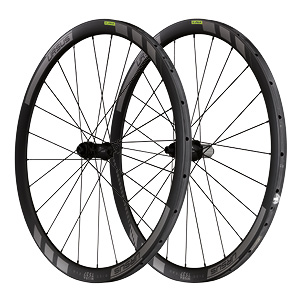
Cyclocross Wheels: Visual Inspection and Cleaning of Components
Next, check the wheel's trueness to ensure that a potential impact hasn't deformed the rim. This is a crucial yet delicate operation, so we recommend having it performed by a mechanic, who has the necessary equipment to ensure the wheel's safety. If you're an amateur cyclist and not a mechanic, we recommend visually inspecting the rim surface for cracks or signs of breakage. If this occurs (which we obviously don't want), you'll need to contact a professional to replace the rim.
Once the rim is in good condition, check that the bearings are running smoothly. This can be done simply by spinning the wheel, which allows you to verify that the circular motion is smooth and there are no blockages or slowdowns. If the bearings aren't running smoothly, they should be removed and replaced. Replacing bearings may seem simple, but if you're inexperienced, we recommend having a professional do it. This will improve performance.
Then perform the same type of test to ensure the freehub body moves smoothly. If it doesn't move smoothly, remove the cassette and wash it with soap and water. You can also use a brush to remove any remaining dirt.
Then remove the cassette body from the hub and clean it with soap, water, and a small brush. Apply a little grease to the inside of the cassette body and reassemble it. If the cassette body is worn and the bearings aren't rotating properly, it's advisable to replace the entire cassette.
Professional cyclocross bikes have disc brakes with thru-axles. The two thru-axles should also be checked to ensure they operate smoothly. This is very important to avoid problems during the race, especially during wheel changes in the garage (dirt may have gotten into the axle groove, which would otherwise be difficult to remove). Clean the inner groove of the hub axle by running a small piece of cloth from one side to the other and lightly grease the thru-axle before reassembling it.
The final step in maintenance involves checking the tubular tires for proper bonding. Here too, we recommend visually inspecting the entire wheel for any looseness, which could affect the performance of the wheels the next time you use them. Make sure the treads are in good condition and replace them if necessary.
We can make your job easier: the Miura TS37 EVO disc features durable, smooth-rolling rims and has been a fixture on top international cyclocross courses for years. By choosing our cyclocross wheels, you'll get a pair of high-performance and reliable wheels, but we still recommend regular maintenance to maintain their performance.
In conclusion
How to properly maintain cyclocross wheels? As you can see, many of the steps described can also be applied to proper road bike wheel maintenance . However, the presence of a lot of dust or mud on cyclocross tracks requires special attention to cleaning the wheel components. The more methodical you are in following the good tips shared, the longer you'll be able to enjoy a pair of wheels performing at their best.


