It's a recurring question among amateur cyclists of all levels: what diet should they follow to improve their performance in training and racing? Adopting an effective diet can really make a difference. Let's discover the basic rules everyone can follow.
When talking about nutrition in cycling, and in sport in general, we must start from two very simple, but equally important concepts:
- To perform physical activity the body needs energy
- the body must replenish the energy used during physical activity
And since it's a sport that requires endurance and effort , it's necessary to eat during activity . Therefore, going into detail about nutrition for cyclists, we can identify three key moments:
- pre-race or training
- during the activity
- post-race or training
Before discovering how to eat during these three phases, it's important to emphasize that to achieve good athletic performance, you need to follow a balanced diet at all times, even on non-exercise days.
Before the activity
Pre-race or pre-training nutrition in cycling is a crucial detail, significantly impacting an athlete's results and performance. Starting a bike ride without proper fuel is like starting a car that's almost out of fuel: what happens? With a car, you can easily cover a few kilometers, but then the engine starts scraping the fuel from the bottom of the tank, the less clean part, to keep going. This reduces performance, and some components also become damaged. After a few kilometers, the car stops.
What happens to the cyclist? The exact same thing! At first, everything seems normal, but after a few kilometers, we feel our energy levels starting to wane, and so our effort changes. The body uses energy reserves, but these aren't enough to cover the necessary muscular work. Therefore, our performance is very disappointing, and, even worse, we risk damaging our body . Ultimately, this situation affects recovery, which is much longer and more difficult.
What to eat?
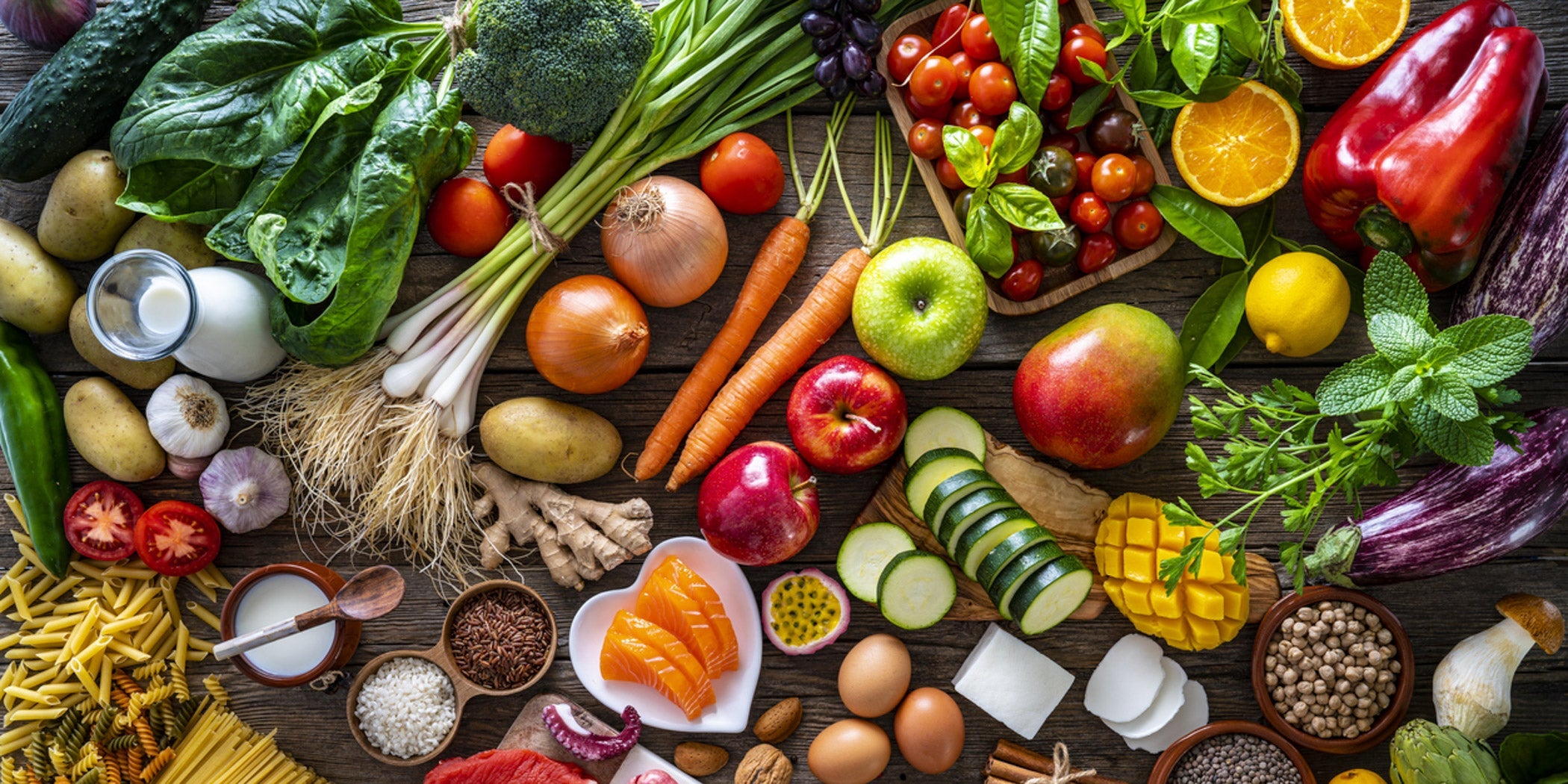
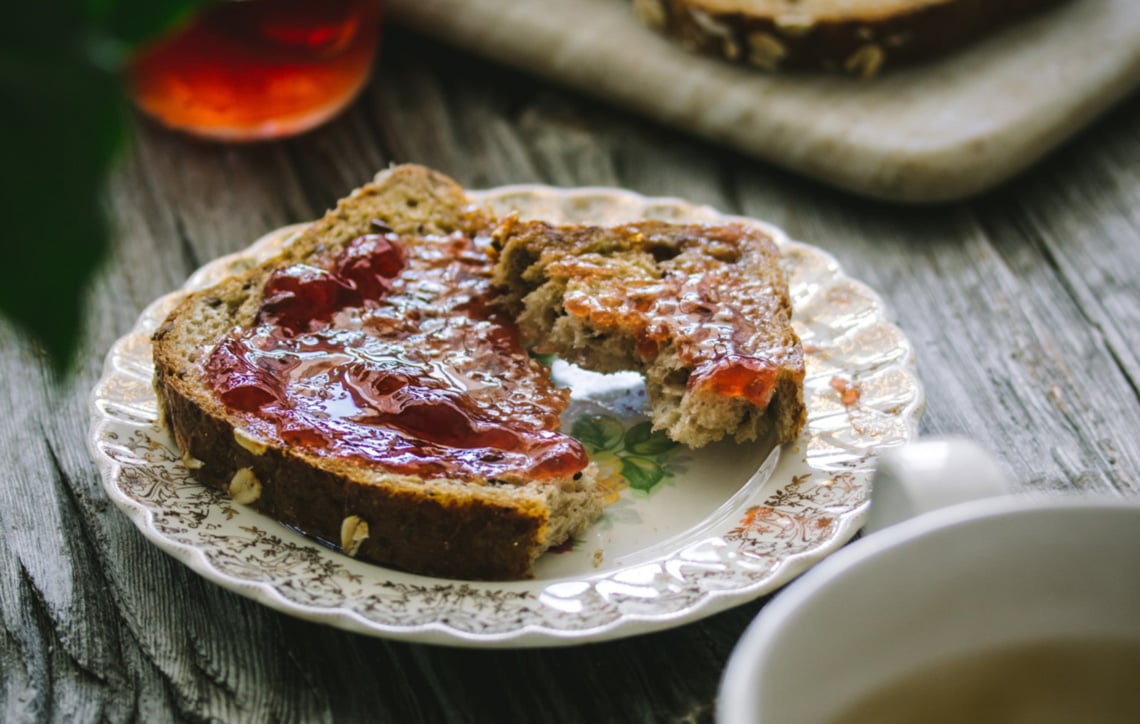
Amateur cyclists shouldn't think about a professional diet, but rather a complete and balanced diet made up of simple ingredients. When talking about pre-race or pre-workout nutrition, it's important to consider the entire phase of the day that precedes the activity . Let's say we're going on a bike ride in the afternoon. As is always good practice, we should start with a breakfast rich in fiber and energy: cereals, jam, honey, bread, and coffee , for example, are excellent foods. Lunch requires carbohydrates (pasta, rice), which are converted into glucose during digestion, which is used by the muscles to produce energy. If the meal is too far from the start of the activity (more than 4 hours), the body may require additional energy, which can be provided by maltodextrin supplements , which are digested very quickly and can therefore be taken shortly before starting to pedal.
During the activity
Cycling is hard work... and sweaty! And replacing lost fluids is one of the most important factors for a cyclist. So, simply, drink ! Not too much, because filling up on fluids would make pedaling even harder, but not too little either. In short, just the right amount.
What should you drink to replenish the fluids lost while cycling? Water, or mineral salts, or even better, both. It's always best to carry two water bottles: one with water, one with mineral salt supplements .
Especially if your ride is long, it's important to replenish your energy reserves. Maltodextrin, along with carbohydrates, fructose, and caffeine, is particularly helpful in this case. These gels are recommended for those who don't plan on taking breaks and want to fuel while pedaling (like professional racers do). For those who want to combine a quick meal with a rest period, an energy bar is perfect. If you don't have gels or bars with you, a stop at a café for a sandwich and a coffee is also fine. The important thing, after a certain number of kilometers, is to replenish your energy levels.
After the activity
And now we come to the time for replenishment and recovery. A phase that greatly influences not only our performance in the days to come, but also our state of health. Proteins are absolutely essential for repairing muscle tissue . As soon as you park your bike, it's a good habit to immediately eat a protein bar or a banana , and then supplement perfectly with meat , eggs , or fish during the meal. Finally, stretching and quality rest are definitely useful for recovery.
In conclusion
It's crucial to understand that each phase (pre, during, and post) is closely linked to the other two. What we eat beforehand significantly impacts what we eat during the activity and how our body recovers. Replenishment afterward significantly impacts how we eat the next day. A cyclist's diet is like a chain that must always be properly oiled for everything to work perfectly.