

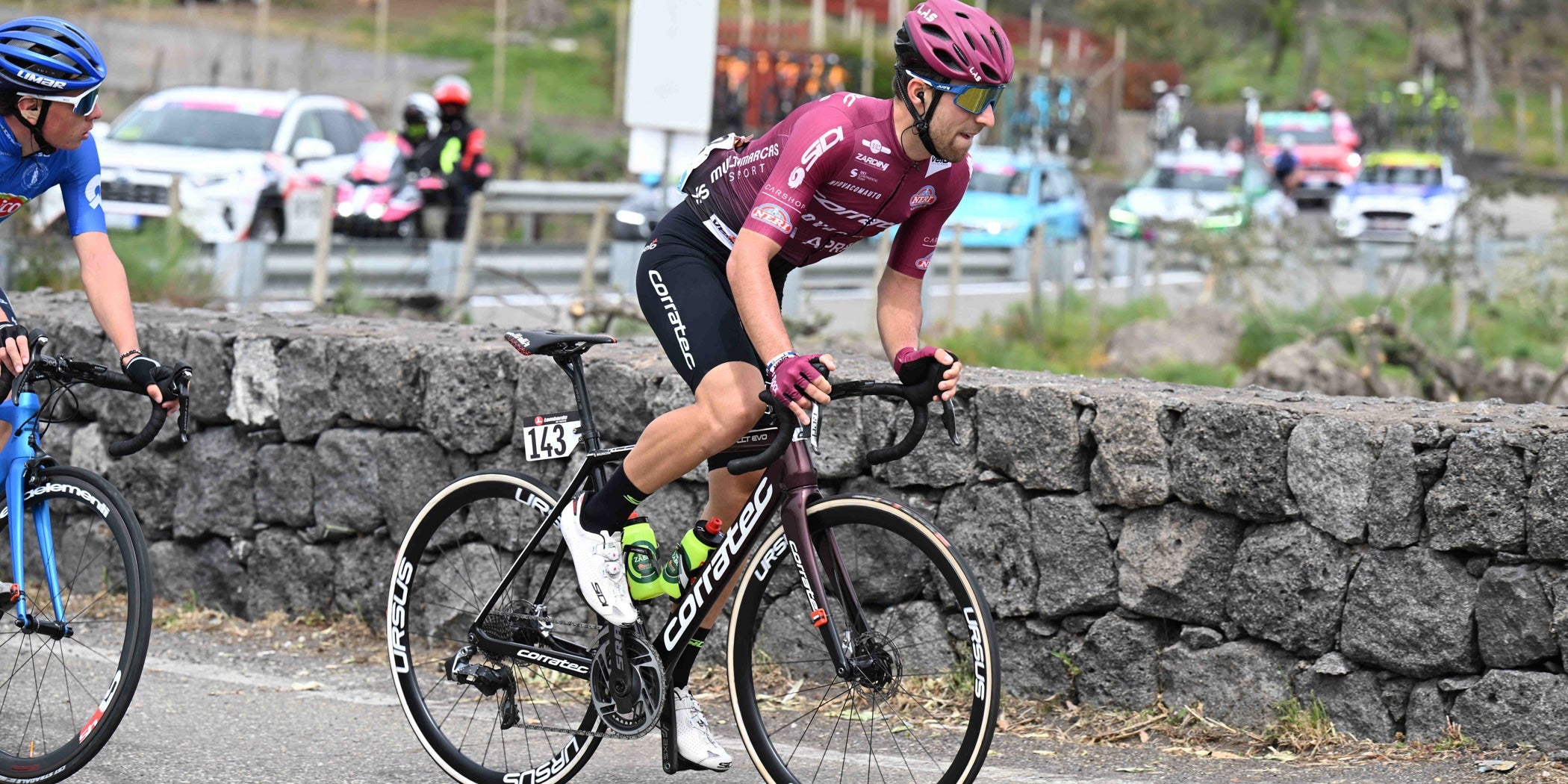
Professional cyclists, as well as amateurs who clock up countless miles training for races or Granfondos, know the importance of having two different sets of wheels. But what's the difference between a training wheelset and a racing wheelset? Let's explore this together in this article, which begins by debunking the quintessential misconception about training wheels.
“Training wheels are usually made of aluminum because, being more resistant, they last longer.” True or False?
False : the truth is that the trend in the world of racing bike component manufacturers is to move away from the use of aluminum in favor of a gradual transition to full carbon, even for endurance bikes.
The carbon fibers currently used to produce wheels (note: we're talking about certified-quality products) have been the subject of in-depth studies that have led to significantly improved resistance in recent years, thanks also to monocoque molding systems and innovative production techniques.
Today, there are wheel models on the market that allow you to enjoy the qualities of carbon fiber even during training sessions , no longer exclusively during races. A carbon fiber wheelset is not only significantly lighter, but also allows for greater vibration absorption compared to an aluminum wheelset. The result is less strain on the back muscles, which is especially beneficial on long rides: lumbar well-being is one of the most important reasons pushing many professional cyclists to switch to carbon fiber for training purposes.
The use of aluminum remains tied to a price factor rather than actual performance: aluminum rims normally cost less than full carbon ones, even if products like the Ursus Miami offer a carbon solution at a truly interesting price.
Consider that as a cyclist, you'll undoubtedly spend more time training than racing : obviously, choosing a carbon rim means enjoying a high-end solution that's extremely comfortable and smooth. In short, improving your daily cycling experience.
Training wheels: tubular or clincher?
Tubular tires are the type of tire normally used in professional racing, and this solution offers several advantages: for example, tubulars cannot get punctured by pinch flats , thus reducing the risk of a flat tire. Tubulars are also lighter and, above all, smoother than clinchers. What makes tubulars less suitable for training sessions is that, having no inner tube, they cannot be repaired in the event of a puncture . It is possible to use an "Inflate and Repair" canister to get you home, but the tubular will then need to be replaced. Furthermore, replacing the tubular is not easy and is best done by a mechanic.
Clincher tires, on the other hand, offer lower performance, but the significant advantage of allowing you to continue pedaling in the event of a puncture: replacing the inner tube is not only simple and inexpensive, but also ensures a long-lasting repair. Aluminum wheels are designed for clincher tires, but in recent years, the range of carbon fiber clincher tires has been expanding, demonstrating that manufacturers are moving in the direction of an increasingly high-performance training experience.
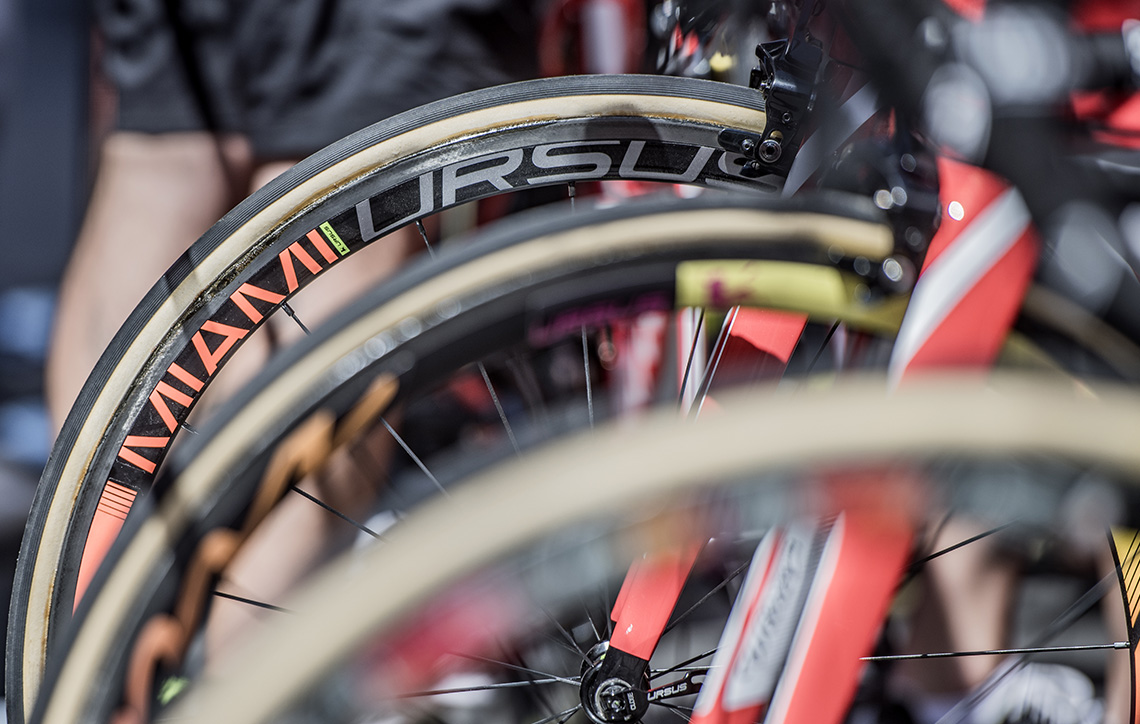
Several racing bike wheel manufacturers also offer tubeless tires, not only for mountain biking but also for road cycling . Tubeless tires have two important advantages:
- they do not have an inner tube, but can be repaired simply by injecting a special latex sealant into the tyre;
- you will be able to run even with a lower inflation pressure without risking a puncture.
Want to learn more about the differences between tubular, clincher, and tubeless wheels ? We recommend this article.
Different rim profiles for different situations
In racing and training, there are different types of routes: you might have to deal with long uphill stretches, or you need to best tackle a flat course where you can unleash every watt of energy during the final sprint. Different types of wheels are available for different situations, but how do you choose the right product for your needs?
One of the elements to consider is the type of rim profile best suited to the characteristics of the route you plan to tackle: in training, you will have to cover a large number of kilometers on mixed roads, that is, flat, uphill, and downhill. To do this, you might consider choosing a versatile product, therefore with a less specific range of use. Medium-low profiles for clincher wheels such asthe Miura C37 (37 mm) or Miura TC37 Tubeless ready are ideal in this sense, as they offer less resistance to lateral air displacement such as that created by the cars alongside you , light weight , and a good aerodynamic index .
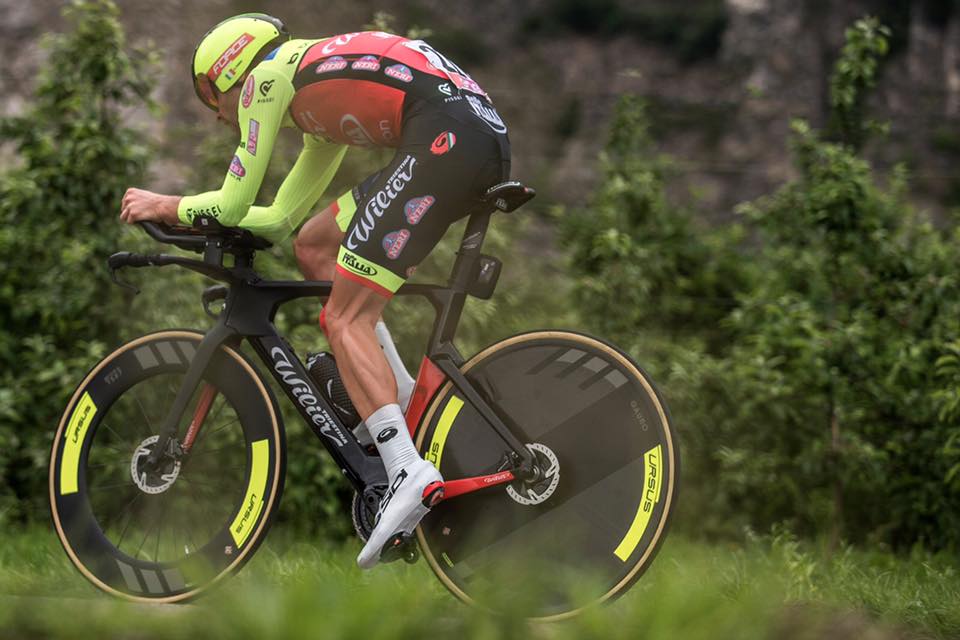
In competition, on the other hand, you'll need a product that allows you to perform at your best in specific conditions, such as a time trial. In time trials, professionals choose a medium-high profile tubular rim, such as the Miura TS47 evo (47 mm). In time trials, a very high and aerodynamically advanced profile is often seen, such as that of the Miura TS87 evo (87 mm).
Conclusion
Cycling wheels: training vs. racing: how to choose the right product for your needs?
Carefully consider the type of use you'll be making of your wheels. We've seen how different solutions exist, varying in performance and cost. Don't rule out choosing a model dedicated to training sessions and a different one for competition, following the example of top professional cyclists.


