In cycling, the focus is increasingly on performance. The wheelset is one of the main factors determining the quality of your racing bike, so it's essential to understand the quality differences between an aluminum product and a full-carbon rim.
Resistance: aluminum or carbon wheels?
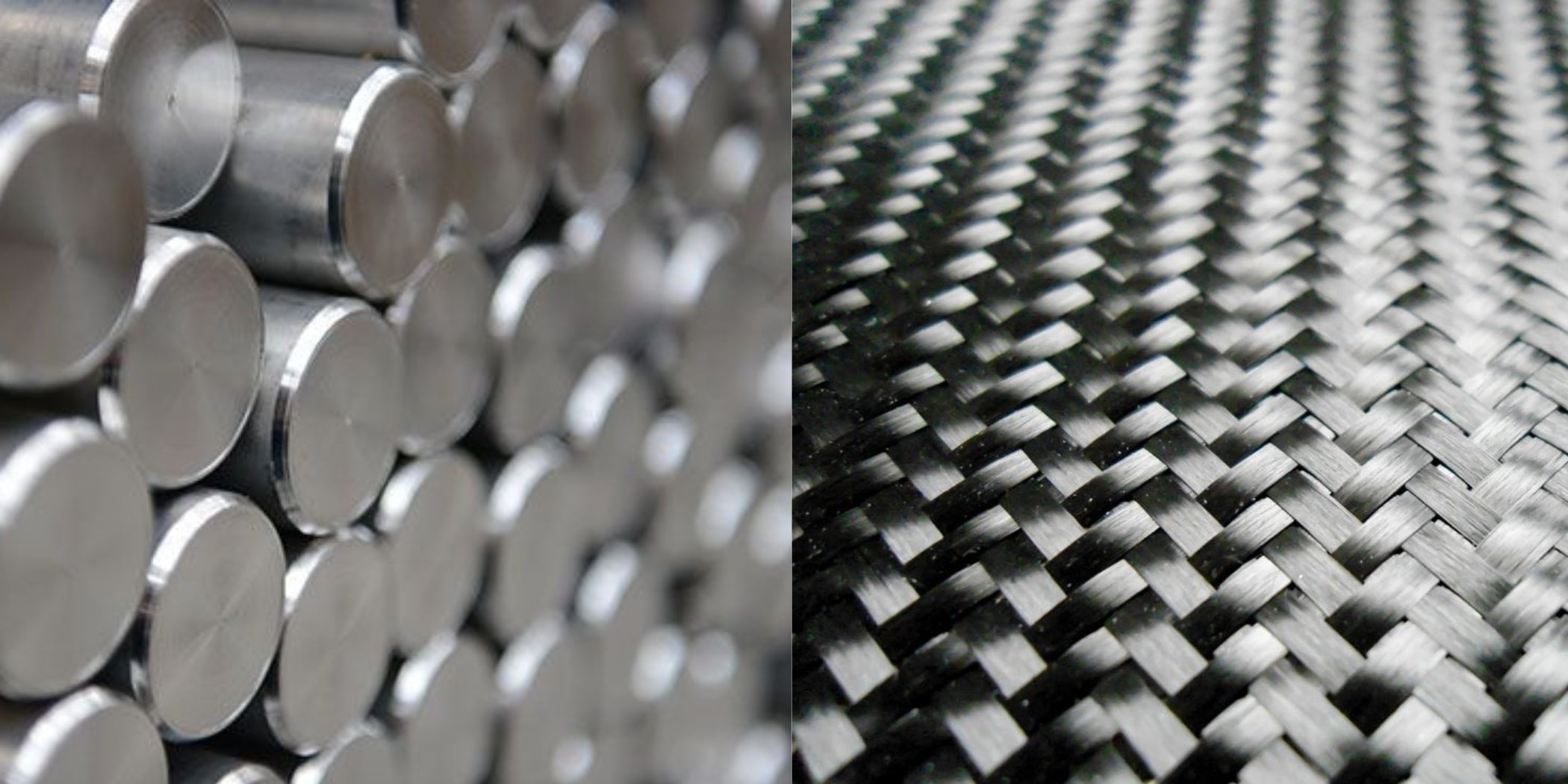
When we talk about resistance, we usually think of the material's resistance in the narrowest sense: from this perspective, we might be tempted to say that an aluminum wheel is more resistant than a carbon one. In reality, this reasoning is a bit reductive, as carbon fibers and the manufacturing techniques used today allow for an incredibly resistant wheel, even if made of carbon.

A different discussion is needed when it comes to resistance to major impacts: it should be noted that in the event of very strong impacts the wheels will have to be replaced in any case, as this could lead to stability problems for both the carbon and aluminum versions.
Lightweight: How to get the best performance?
We've seen how aluminum is inherently a lightweight alloy, yet quite strong. From this perspective, however, carbon fiber offers significantly superior performance: the lightest wheels today are full carbon, which is also by far the most popular solution at the professional level. Carbon, the lightest material currently used for cycling components, clearly helps reduce inertia in a wheel during rolling. The result is a significantly higher-performance product.

Price: Which solution is more convenient?
From a strictly economic point of view, it is easy to say that an aluminum wheel costs less than a carbon fiber one, however this does not answer the question completely enough.
Are you sure that a cheaper product is always better value? That's not necessarily the case. As with all investments, before determining true value, it's important to establish the needs an asset must meet.
From this perspective, a racing bike wheel should provide a certain level of performance, more or less high, depending on your experience and your needs as a cyclist. If you're a beginner amateur cyclist, you may be unsure whether you want to commit to high-end components, opting for a lower initial outlay. A more experienced cyclist, however, is unlikely to forgo the performance of a higher-quality product, knowing that intensive use puts a strain on important components like wheels. In this case, spending very little initially could be a somewhat cost-effective option.
Why would you want a bike that consistently delivers top performance? Find out inthis article.
In conclusion
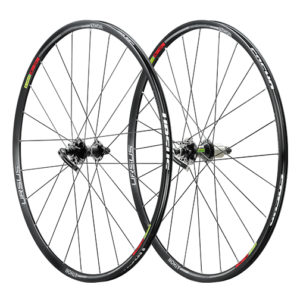
Road bike wheels: carbon vs. aluminum, which should you choose? Ultimately, the choice depends on what you expect from your new wheels. As mentioned, the best performance on the road is ensured by products made of carbon fiber ( see the Miura TS37 EVO below ), which, however, start at a higher price point. If you're looking for an entry-level product, an aluminum wheelset may be the right choice (see the Athon).
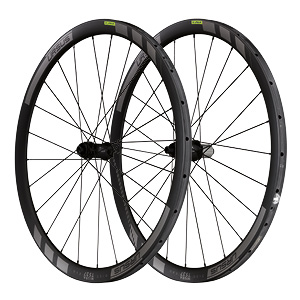
MIURA TS37 EVO