

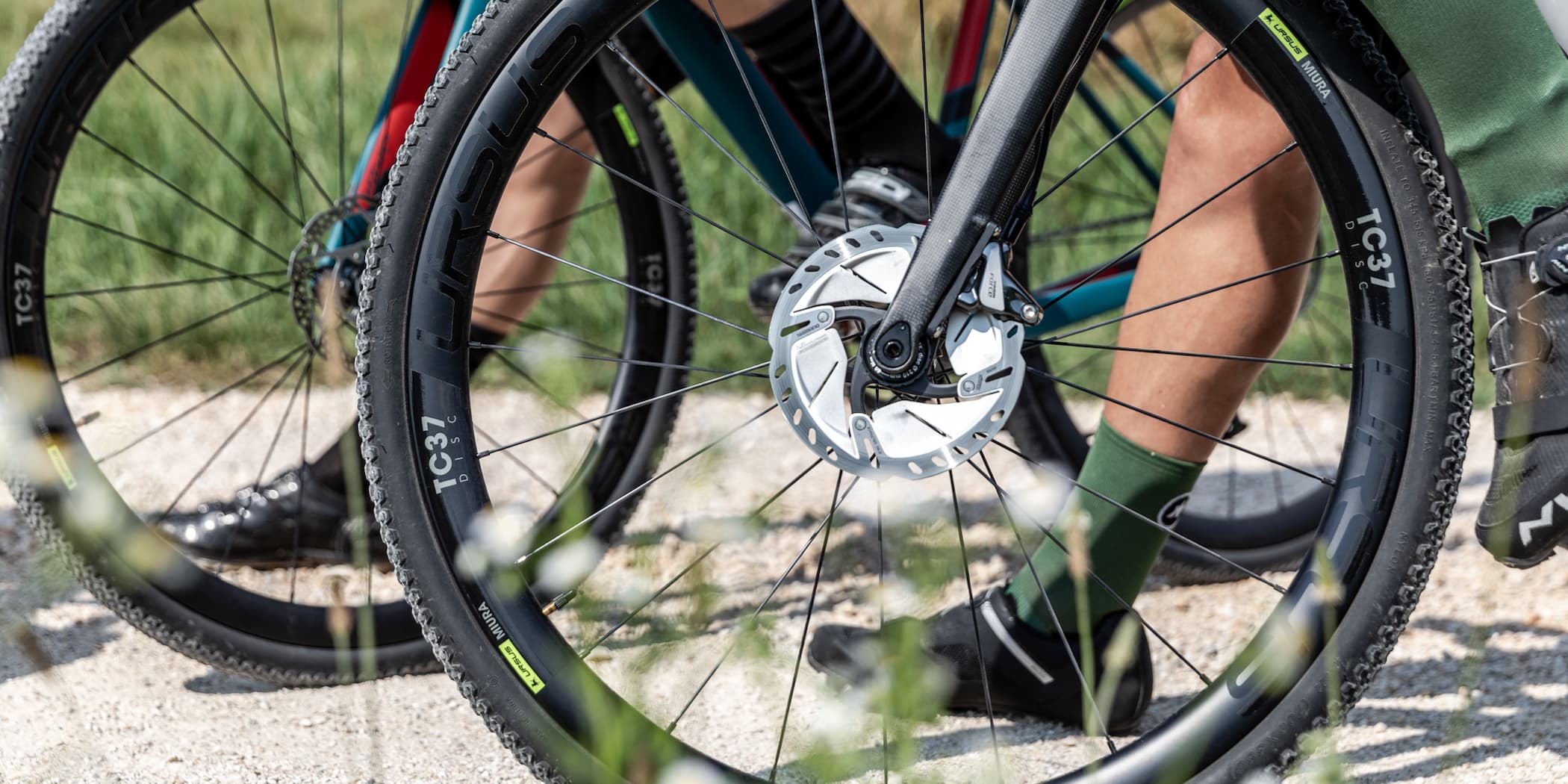
When it comes to gravel biking, not all cyclists are clear about which wheelset is best. For riding on mixed terrain, do you need a climbing wheelset or a more MTB-oriented one? How do the wheels on your bike influence tire choice? There are many questions, and in this article, we'll look at how you can choose the best gravel wheels.
Gravel, introduction
Before discussing wheels and tires specifically, it's important to consider the needs of gravel bike enthusiasts. Before purchasing a wheelset specifically designed for gravel riding, this analysis helps you understand the product's key features. Be careful; relying on hearsay or the brand name could be a mistake.
Gravel bike, what is it?
Gravel bikes are a type of bicycle developed to allow cyclists a wide range of uses. Thanks to their unique geometry, these bikes can be used on typical endurance routes, both on the road and on mixed or muddy terrain. Gravel bikes are inspired by cyclocross bikes, but typically have a lower frame stiffness rating, making them suitable for a more comfortable ride. This characteristic in particular has helped gravel bikes become popular in Italy, where there are long, scenic routes suitable for them, such as dirt roads or dirt tracks.
What are the needs of those who do Gravel?
Trails like this require versatile bikes, designed to absorb as much of the prolonged vibrations caused by dirt riding as possible (gravel bikes don't have suspension; their frames are more similar to road bikes and cyclocross bikes than mountain bikes). Disc brakes are used, preferable to standard cantilever brakes to ensure maximum braking safety. These particular conditions naturally require a wheelset that works well with gravel bikes: your wheels, therefore, must be comfortable and lightweight, but above all, they must be as reliable as possible.
.jpg)
What kind of wheels meet these needs?
We've seen how comfort and reliability top the list of wheel performance criteria when it comes to gravel riding. But what features should I look for in a wheelset to achieve this result?
- Thru-axle mounting: The best gravel bikes now adopt this system, borrowed from mountain bikes and already in use in cyclocross. The thru-axle is preferred to the old quick-release standard because it increases the wheel's torsional stiffness , making the hub more rigid (and therefore resulting in better pedaling responsiveness). This system allows for smoother bearings, but above all, the thru-axle prevents the risk of accidental release due to constant vibrations. Be careful: the two systems are not compatible. Check which mounting system your frame has before purchasing a gravel wheel.
- Straight-pull spoke pattern: With straight-pull technology, you'll find straight spokes and hub flanges with pre-aligned holes. This will ensure your wheel is more rigid , making it more balanced and responsive. It will also be more reliable, as the straight-pull system is also used to offer greater resistance to disc brake stress. Furthermore, it helps provide a cushioning effect to the wheel and thus reduce stress on your back.
- Rims: The standard for gravel is the same as for road riding, namely 700c (the classic 28" rim). The internal channel width must accommodate tires from 32 to 55 mm. Many might think that aluminum rims are the best solution for gravel riding, but today there are carbon solutions that guarantee superior strength and performance. An example? Our Miura TC37 Disc !
What type of roofing should I choose?
This is a crucial step. The tire is the component of your gravel bike that is primarily responsible for road holding, as well as the shock absorbing work that the frame's rigidity delegates to the wheel system.
- Section: Gravel tires typically range from a minimum of 32mm to a maximum of 55mm . Before choosing, it's essential to check the clearance between the fork blades and the frame . This will allow you to determine the maximum allowable section. This is very simple: simply measure the clearance between the blades with a tape measure or visit the manufacturer's website, which should indicate the maximum allowable width. Never buy a tire without first checking the section . You risk not being able to fit it on your wheel, which would obviously be a shame. Once you've figured out the maximum section you can buy for your bike, you can proceed to choose the tire that best suits your needs. For example, you might consider using your gravel bike for cyclocross: although the rigidity of this type of bike isn't specifically designed for cross-country competitions, it can still be used for recreational use. The maximum section allowed for this activity is 33mm. A similar argument can be made for GranFondos : although these races are normally run on racing bikes, gravel bikes can be adapted for this purpose since their comfortable geometry allows for many hours in the saddle. We recommend a 28 mm tire for the road , while for good performance on rough terrain, a 40 mm section is a good option. This size would give you good rolling resistance, without sacrificing the smoothness of the wheel.
- Tubeless or inner tube? Here too, the choice depends on personal preference. Tubeless offers greater protection from punctures and pinch flats, but requires dedicated rims and tires, or convertible components (tubeless ready) via a special kit. Installing tubeless allows you to run the tire pressure extremely low (obviously, always staying within the manufacturer's recommendations, otherwise you risk damaging the rim), which provides more grip. An inner tube makes tire installation easier , but low inflation pressures increase the risk of punctures. Keep in mind that gravel riding often involves rough or muddy terrain, which requires lower-inflation tires than those typically used for road riding.
In conclusion
Gravel wheels: how to choose the best ones? We've talked about how the choice isn't trivial. Often, the gravel bikes we buy come with a low-performance wheelset, so you might want to improve your bike's performance. We recommend keeping the information we've provided in mind: check your bike's frame or consult your trusted dealer before purchasing, so you'll know which wheels are compatible. Then, analyze your riding style, as this will determine a series of technical choices you'll need to make.
Have fun with Gravel!


